A commercial sewer lateral inspection uses a camera pushed through the cleanout toward the public main. It finds roots, offsets, cracks, collapsed sections and grease buildup that a walk-through cannot see. Buyers use the video to price repairs or ask for credits before closing. Who owns the pipe depends on the city.
What is a sewer lateral?
The sewer lateral is the underground pipe that connects a building’s internal plumbing to the municipal sewer main. A standard walk-through does not show it. Most general inspections leave it out unless the client asks for it.
Calibre’s scope inspection runs a waterproof camera through the building’s cleanout and advances it to the public main connection, recording video of the pipe interior. The report references each finding by distance from the cleanout.
The camera method matches how the industry describes lateral work. NASSCO’s assessment page says lateral CCTV is generally done by inserting a small camera through a cleanout toward the main, or by launching a robotic camera from the main toward the building.
What does the camera find?
| Finding | What it means |
|---|---|
| Root intrusion | Roots enter pipe joints and restrict flow. It ranges from minor, cleared with routine maintenance, to severe enough to need lining or replacement. |
| Offset or misalignment | Ground movement or frost heave shifts pipe sections. Offset joints collect solids and invite roots. |
| Bellies | Low spots where solids and grease collect instead of flowing to the main. |
| Cracks, corrosion, collapse | Damage to the pipe wall, from small cracks to a failed section. |
| Grease buildup | Common in restaurants and food service. It builds on pipe walls and cuts flow, even when a grease trap is installed. |
| Pipe material | The camera shows what the pipe is made of, which affects remaining service life and repair options. |
The descriptions come from Calibre’s sewer lateral service page.
Why do pipe materials matter?
Age and material set the risk. Calibre’s page says clay tile pipe was the standard lateral material through much of the twentieth century and is still in service in commercial districts across Idaho and the Inland Northwest. It becomes brittle with age and can crack, separate at joints or collapse under traffic loads.
The page also describes Orangeburg, a compressed fiber pipe installed from the 1940s through the 1970s, which deteriorates from the inside out and is frequently found in partial or complete collapse in properties of that era.
Calibre recommends a lateral inspection as part of due diligence for:
- Properties built before 1980.
- Restaurants and food service buildings.
- Multi-tenant buildings with shared lateral infrastructure.
- Buildings with a history of slow drains, backups or odors.
- Older downtown commercial stock in cities such as Boise, Nampa, Spokane and Pocatello.
- Loans where the lender requires a lateral inspection, which some lenders do for food service and older commercial properties.
Who owns and repairs the pipe?
It depends on the city, and the rule can change inside one metro area. Read your city’s code or ask its public works office before you assume.
Two Treasure Valley examples show the range:
- Boise. Boise City Code 10-2-5-2 makes the property owner responsible, at the owner’s expense, for the cleaning, unstopping, maintenance and repair of the private service line. The owner must also replace any portion that Public Works finds unfit for further use. The owner must clean out rocks, roots and debris that came from private property and settled in the public portion of the line, but the City repairs the public service line. Repairs must be completed within 30 days after written notice from Public Works, or the department may do the work and charge the owner.
- Meridian. The City says owners, including business owners, are responsible for a portion of the water and sewer lines that run from the property to the street, and it publishes a boundary graphic. The City maintains lines in the public right of way.
For properties in Spokane, Pocatello, Missoula or other cities, we did not find a source we could cite, so confirm locally. A lateral scan tells you the condition. It does not tell you who pays.
What if there is no cleanout?
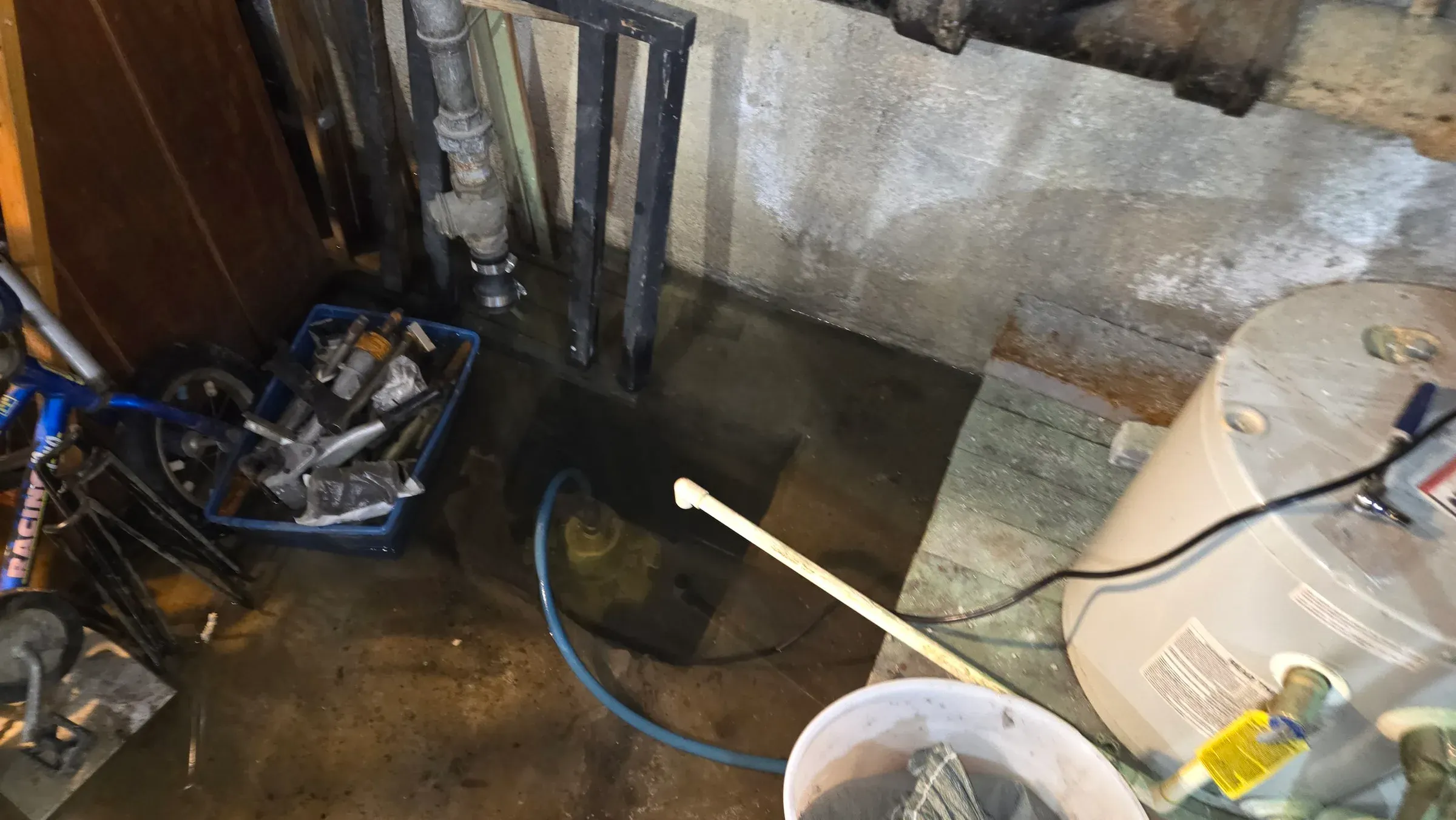
Calibre’s FAQ says a lateral can often be accessed through a roof vent stack. In some cases a cleanout has to be installed. The firm says it does not pull toilets. Confirm access conditions with your inspector before the day of the scope.
Most commercial lateral inspections take between 45 minutes and two hours, according to Calibre. Properties with multiple tenant connections or long laterals can take longer.
How do buyers use the results?
The scope produces a written report with video and still frames. A buyer can then:
- Ask the seller to repair the pipe before closing.
- Request a credit or price reduction.
- Add the cost to the capital plan.
- Walk away if the pipe is in worse shape than the price allows.
If defects appear, Calibre can fold repair cost estimates into a cost-to-cure report, so the buyer sees above-grade and below-grade items in one document. We do not publish repair price ranges here, because costs vary with pipe type, depth, access and the surface that must be restored. Calibre’s page says the consequences of a failure after closing range from a straightforward repair to complete replacement that requires excavating parking lots, landscaping, or part of a building slab.
Not every repair needs a trench. Calibre’s FAQ says trenchless lining, which inserts a resin-saturated liner into the existing pipe, can repair cracks, offset joints and root damage in many cases. Whether it is viable depends on pipe condition and configuration, which the camera helps show.
What should a good lateral report include?
- Video and still frames tied to distance from the cleanout.
- The pipe material and the length scoped.
- Each defect with its location and severity.
- A statement of what could not be reached.
- Recommendations: repair, further evaluation, or accept with noted risks.
You can also ask whether the inspector codes defects to a standard. NASSCO says its Lateral Assessment Certification Program gives field workers a common language to classify conditions and record severity, which helps when findings are shared with a plumber or a city.
How does this fit a full inspection?
A lateral scope works best alongside a full commercial building inspection, so below-grade findings sit next to roof, structure and systems findings. Roots can also reach a lateral from nearby trees. Our article on trees, foundations and underground utilities explains how roots seek out leaking lines. Another article, Unseen Threats Above, shows the same camera approach used on roof scuppers.
Next step
If you are buying an older downtown building, a restaurant, or a multi-tenant property, add a lateral scope to your due diligence. See our sewer lateral inspection page, and tell us the address and any drainage history. Our areas served page lists where we work.